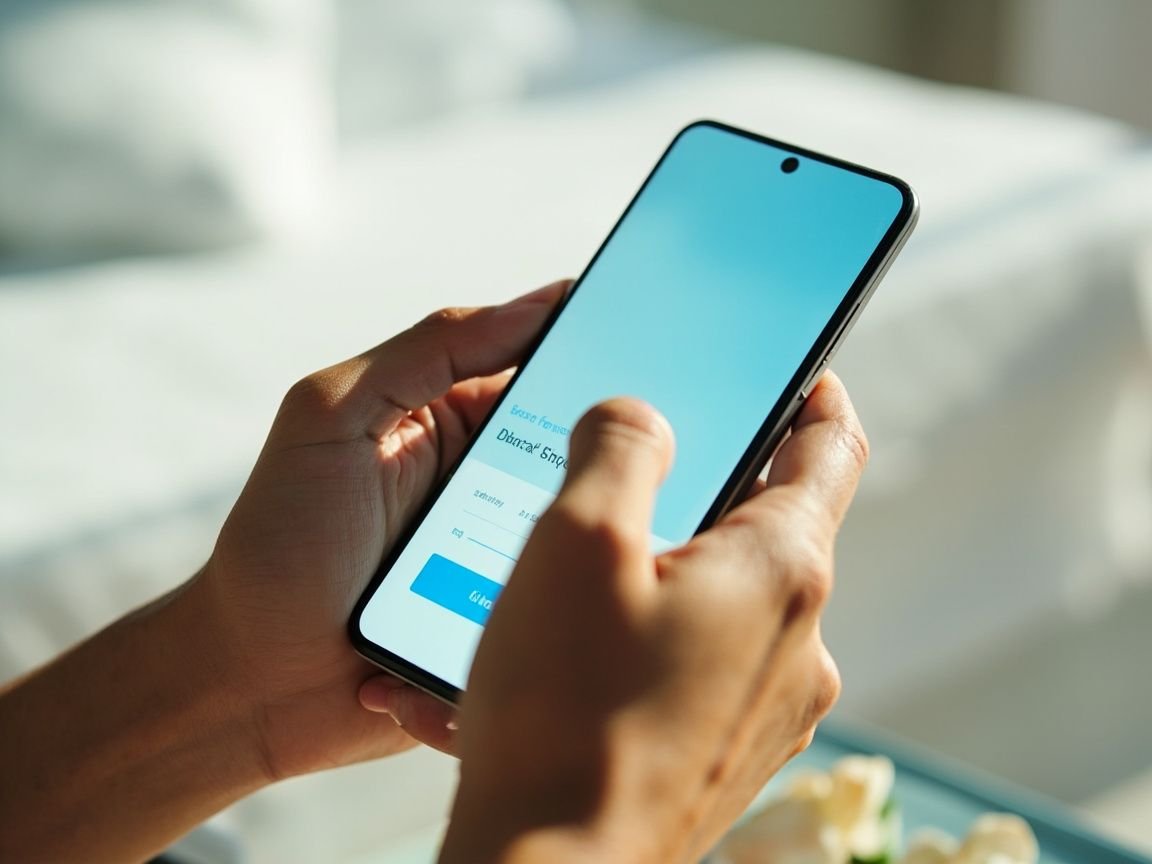
Usability testing means giving real people a task in your product and watching what happens. Where do they hesitate? What do they misunderstand? Where do they give up?
It is one of the cheapest ways to improve conversion, reduce support calls and avoid expensive mistakes.
How a usability test works
- Choose a goal. For example, "sign up and book your first appointment".
- Find the right people — users who match your real or target customers.
- Ask them to think aloud while they use the product on their own device.
- Record the screen and voice.
- Watch the recordings and list every problem, ranked by how often it happened and how serious it was.
Usability testing vs. analytics
Analytics shows numbers: 60% of users left on the payment page. Usability testing shows reasons: "I didn't see the COD option" or "I thought the button would charge me twice". You need both — numbers to find the problem area, people to explain it.
How many users do you need?
For finding problems in one flow, 5 to 10 users usually reveal most of the major issues. If you serve very different groups — for example, metro and small-town users, or different languages — test each group separately.
When should you test?
- Before a launch or a big marketing campaign
- After a redesign
- When conversion drops and you don't know why
- Before expanding to new cities, states or languages
Common mistakes
- Testing only with friends, colleagues or the founding team
- Explaining the product before the test starts
- Asking "Do you like it?" instead of watching what people do
- Testing once and never again
What does it cost in India?
Doing it yourself costs time: recruiting, scheduling, recording and analysing. A managed service handles all of that. At AI Yuva, a Quick Test with 10 real Tier-2/3 users costs ₹9,999 plus GST, with results in 72 hours. See all services and pricing.